
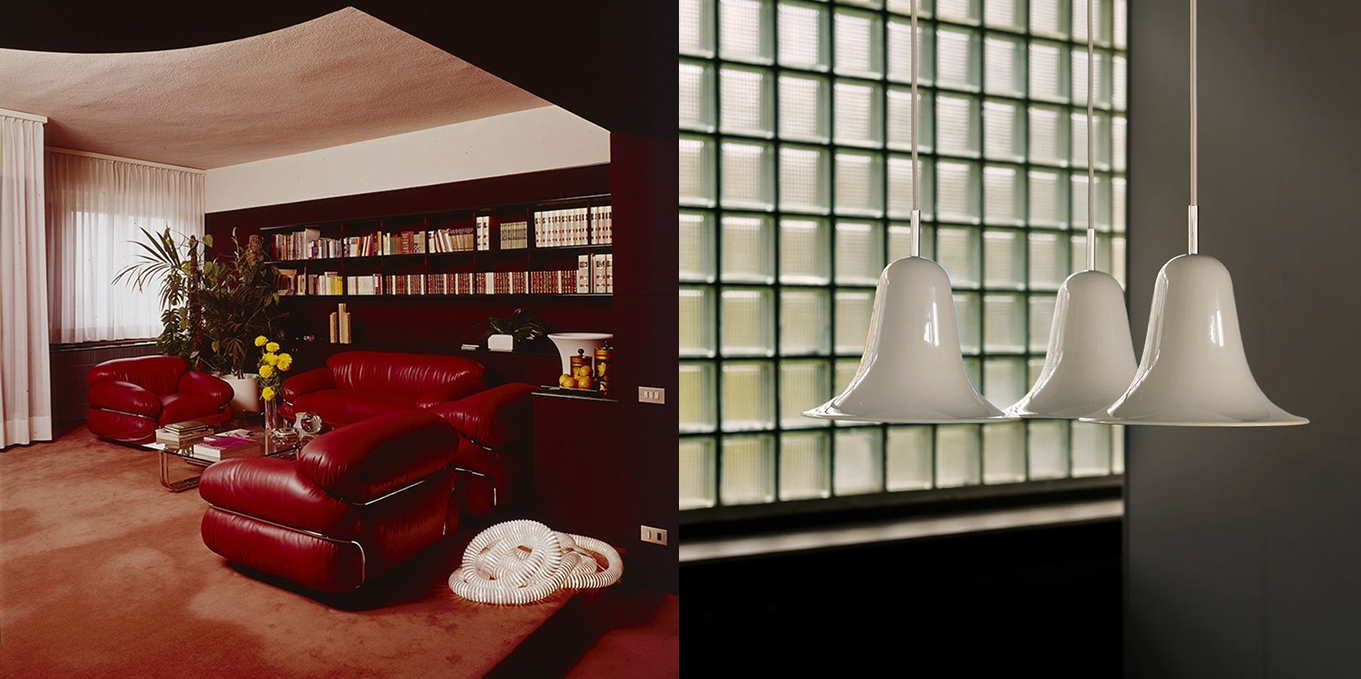
Icons of 60s Design: Why These Forms Never Lose Their Value
The 1960s marked a turning point in design history. This era introduced bold forms, a freer aesthetic, and a revolution in materials — plastics, fiberglass, plywood, and new metal combinations. These innovations opened the door to entirely new furniture geometries and creative experimentation.It was precisely during this decade that objects emerged which later became true design icons — pieces that continue to shape and influence contemporary design today.
What truly makes an object iconic?
Perfect proportions and form
An iconic piece of furniture typically stands out with flawless proportions and a form that doesn’t belong to just one era. It doesn’t follow the shifting whims of fashion — instead, it becomes a benchmark of style itself.
Timeless function
Tastes may change over time, but functionality remains universal. That’s why many mid-20th-century design icons are still being produced today — their function is already perfected and simply cannot be improved.
Ability to fit anywhere
One of the greatest strengths of iconic design is its versatility: it blends seamlessly into classic, contemporary, Scandinavian, or eclectic interiors alike. This stylistic neutrality is exactly why design icons are passed down from one generation to the next.
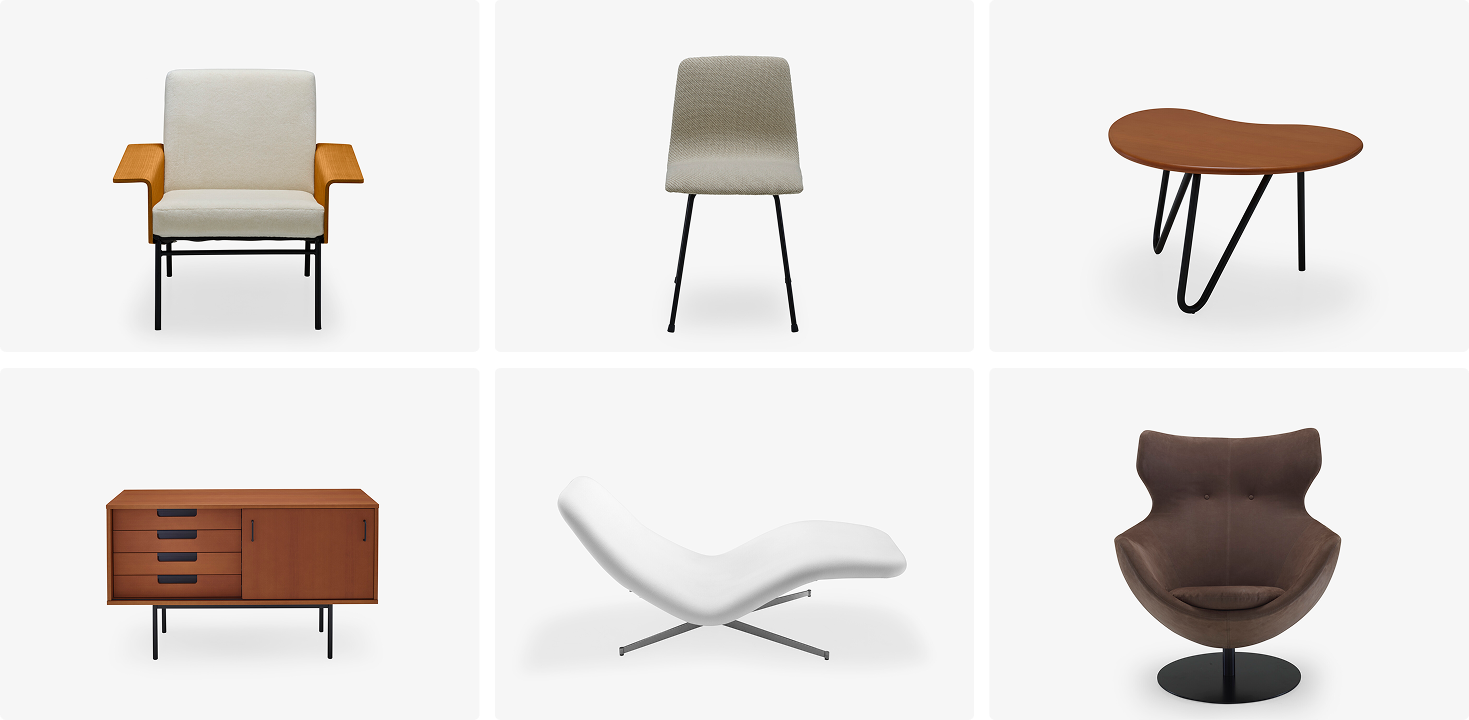
Why is it worth investing in iconic design?
Longevity and quality
Iconic pieces are not mass-market products. They are made from materials that last for decades, often crafted with meticulous handwork.
Value that grows over time
Many pieces of design classics become even more valuable as the years pass — they often turn into sought-after collector’s items.
The most sustainable choice
When you invest in a single design icon, you avoid the “replace it every five years” mindset. It’s a conscious decision to create a space that isn’t dependent on fast-changing trends.
Homes that look thoughtfully curated
An iconic piece of furniture acts like an architectural accent within a space — it brings visual structure and gives the room its own identity. Such a piece has the ability to stand out even among the simplest interior elements.
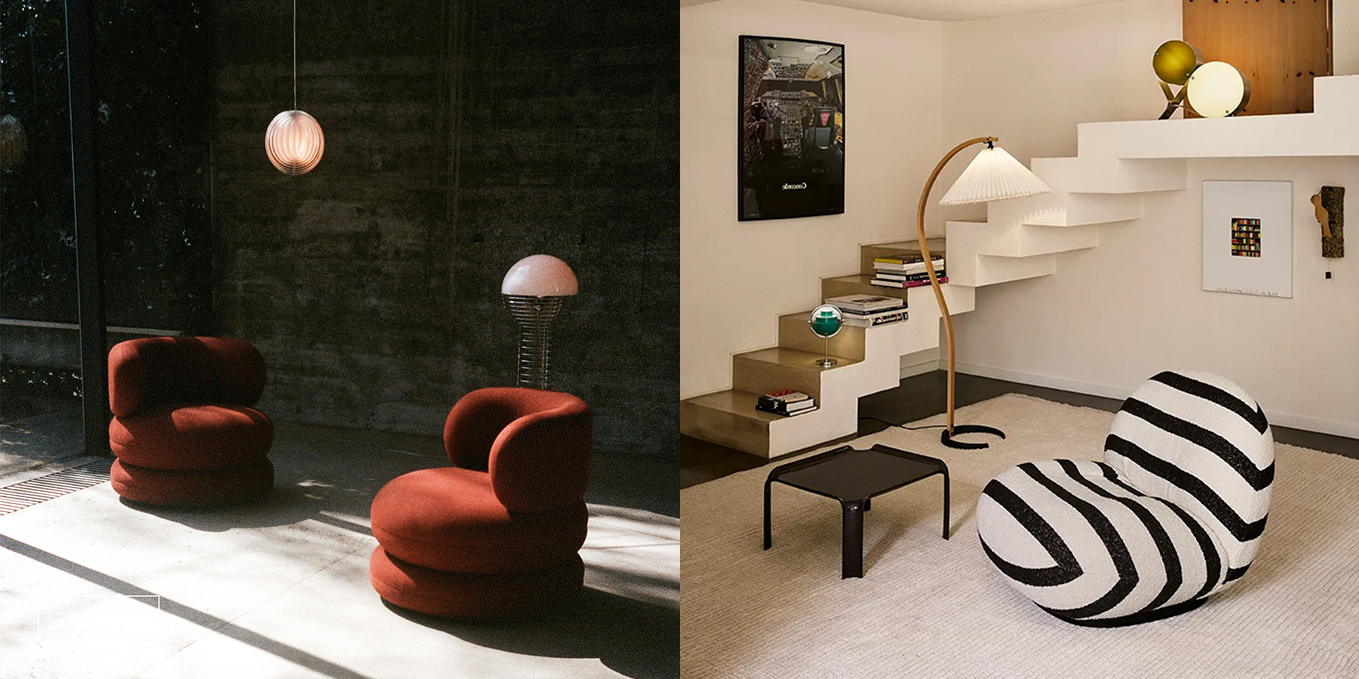
The boldness of 1960s design and the material innovations of that era are the reason why so many pieces from that time have become true icons. These are not just objects — they are ideas that embody architecture, functionality, and an aesthetic that remains relevant today.
Discover the designers who shaped the 60s. Tap the button below to explore our curated presentation.